The PLA Bioplastic Misconception: Compostable Does Not Mean It Disappears Anywhere
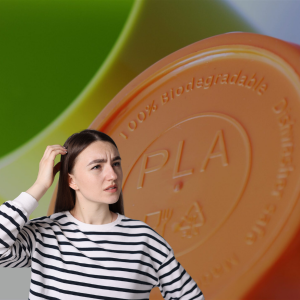
PLA packaging is often labelled plant-based, biodegradable, or compostable. At first glance, these words make the material sound as though it will naturally disappear wherever it is discarded.
That is one of the biggest misconceptions surrounding PLA bioplastic.
PLA can break down under the right conditions, but those conditions are normally created inside a commercial composting facility. PLA packaging will not necessarily decompose properly in a home compost bin, landfill, recycling facility, roadside environment, or the ocean.
For New Zealand businesses and consumers, understanding this distinction is essential. A product can be technically compostable while still having no suitable composting pathway in the area where it is used.
1. What Is PLA Bioplastic?
PLA stands for polylactic acid or polylactide. It is a type of plastic commonly manufactured using sugars obtained from renewable plant resources such as corn starch, sugarcane, cassava, or sugar beet.
The sugars are fermented to create lactic acid, which is then processed into a plastic polymer.
PLA can be made into:
-
Clear cold-drink cups
-
Food containers
-
Salad bowls
-
Produce packaging
-
Films and coatings
-
Coffee cup linings
-
Cutlery
-
Straws
-
3D-printing filament
The material can look and feel similar to conventional plastic. Clear PLA packaging, for example, may closely resemble PET plastic.
However, being made from renewable plant resources does not mean PLA behaves like a leaf, vegetable peel, or piece of untreated wood. The original plant material has been chemically processed into a durable polymer designed to provide the properties expected from plastic.
PLA remains a form of plastic, even when it is made partly or entirely from biological resources.
For a broader explanation of bioplastic materials, read our guide: What Are Bioplastics? A New Zealand Guide to Their Uses, Benefits, and Disposal.
2. Is PLA Actually Compostable?
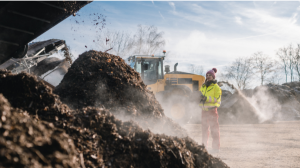
PLA can be compostable, but the description needs an important qualification.
Most PLA food packaging is designed for commercial or industrial composting, not ordinary backyard composting.
Commercial composting facilities carefully manage conditions such as:
-
Temperature
-
Moisture
-
Oxygen
-
Microbial activity
-
Material size
-
Processing time
WasteMINZ explains that most compostable cups and packaging require temperatures of approximately 55°C or higher to break down properly. Almost all home compost systems do not consistently reach these temperatures.
A product should also meet a recognised compostability standard before it is described as certified compostable. Certification tests how a finished product behaves under defined conditions.
Common standards include:
-
AS 4736 for industrially compostable plastics
-
AS 5810 for home-compostable plastics
-
EN 13432 for commercially compostable packaging
-
ASTM D6400 for compostable plastics
Certification does not mean the product will break down in every environment. It means it has passed testing under the conditions covered by that particular standard.
The entire finished item must also be considered. Inks, labels, adhesives, coatings, and other components may affect whether packaging is genuinely compostable.
3. Why Does PLA Not Break Down Anywhere?
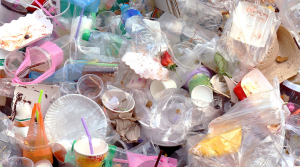
Biodegradation is not a quality that simply switches on as soon as PLA is discarded.
The process depends heavily on the surrounding environment.
Commercial composting provides the heat, moisture, oxygen, microorganisms, and processing time needed to break down certified PLA products. Other disposal environments may not provide these conditions.
I. In a Home Compost Bin
Most backyard compost systems operate at lower and less consistent temperatures than industrial facilities.
Food scraps and garden waste may decompose while a PLA cup, lid, or container remains largely unchanged. The packaging may become brittle or break into smaller pieces without fully biodegrading.
Only products specifically certified as home compostable should be placed in a home compost system, and the certification should apply to the complete product.
II. In Landfill
Landfills are designed to contain waste, not to operate as composting facilities.
Conditions may be dry, compacted, low in oxygen, or otherwise unsuitable for effective PLA decomposition. A compostable item placed in landfill should not be expected to turn quickly into useful compost.
The Ministry for the Environment notes that biodegradable plastics require the correct environment to break down and that commercial processing is usually necessary.
III. In the Ocean or Natural Environment
PLA should never be treated as harmless litter.
The temperature, microorganisms, oxygen levels, and other conditions found in soil, rivers, beaches, and oceans are different from those inside a controlled composting facility.
PLA packaging may remain in the environment, fragment, or create hazards for wildlife rather than safely disappearing.
“Compostable” is not permission to litter.
4. Can PLA Go Into New Zealand Recycling Bins?
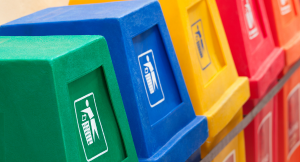
PLA should not be placed in ordinary New Zealand kerbside recycling.
Clear PLA can look almost identical to PET, but the two materials behave differently during recycling. PLA can therefore become contamination when it enters a conventional plastic recycling stream.
Standardised kerbside recycling in New Zealand accepts empty, clean plastic bottles, trays, and containers numbered:
-
1
-
2
-
5
PLA and many compostable plastics are generally included under plastic identification code 7, meaning “other plastics”. They are not accepted through normal household kerbside recycling.
PLA packaging should not be placed in soft-plastic recycling collections either.
This creates an important problem for businesses. A cup may look recyclable to a customer even though it belongs in a completely different collection system.
Clear labelling is therefore essential. Simply printing “compostable” or using a green leaf symbol may not provide enough information.
Disposal instructions should specify:
-
Whether the product is commercially or home compostable
-
Whether a local collection service accepts it
-
Whether it must be separated from conventional recycling
-
What the customer should do when composting is unavailable
5. Can PLA Go Into Food-Scrap or Green-Waste Bins?

PLA packaging should not automatically be placed into a council food-scrap, food-and-garden-organics, or green-waste collection.
From 1 February 2024, compostable packaging was excluded from standard council kerbside food-scrap and food-and-garden waste collections in New Zealand. Councils may make limited exceptions for certain bin liners, but packaging such as PLA cups and containers is not generally accepted.
This may seem confusing. A package can be certified commercially compostable but still be excluded from a collection that ultimately produces compost.
There are several reasons for this:
-
Not every processing facility uses the same composting method.
-
Processing times may be too short for some PLA products.
-
Composters may struggle to distinguish certified PLA from conventional plastic.
-
Incorrect packaging can contaminate the organic-waste stream.
-
Facility resource consents may restrict accepted materials.
-
Additives, coatings, or chemicals in packaging may be unsuitable for the final compost.
A composting logo does not override the collection provider’s rules.
6. Is Commercial Composting Widely Available in New Zealand?
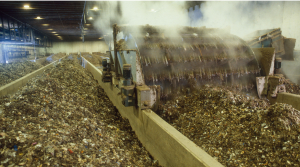
Access to commercial composting for packaging remains limited.
WasteMINZ’s facility information, listed as accurate from 1 July 2025, identified seven industrial facilities in New Zealand that accepted some types of compostable packaging. The exact products accepted vary between facilities, and a waste company is usually needed to collect and transport the materials.
This means businesses should not purchase PLA packaging first and investigate disposal later.
Before switching to commercially compostable packaging, confirm:
-
Whether a suitable facility serves your area
-
Whether it accepts the exact product
-
Which certifications it requires
-
Whether a collection company can transport the waste
-
How the PLA must be separated
-
What level of contamination is permitted
-
What staff and customers need to be told
A facility may accept fibre-based food packaging while rejecting PLA. Another may accept only products from approved suppliers or items carrying recognised certification.
The phrase commercially compostable describes the conditions the product requires. It does not guarantee access to those conditions.
7. What Should You Do With PLA When Composting Is Unavailable?
When there is no verified commercial composting service, PLA packaging may need to go into general rubbish.
That is not the ideal environmental outcome, but it is usually better than placing the product in the wrong waste stream and contaminating recyclable or organic materials.
Use this simple guide:
| Disposal option | Should PLA go there? |
| Standard kerbside recycling | No |
| Soft-plastic recycling | No |
| Council food-scrap collection | Generally no |
| Council green-waste collection | No, unless explicitly accepted |
| Home compost | Only if certified home compostable |
| Commercial composting | Yes, when the facility accepts the exact product |
| General rubbish | Use when no verified recovery option exists |
| Natural environment | Never |
Businesses selling or supplying PLA products should provide honest disposal information.
Avoid unsupported claims such as:
-
“It simply disappears”
-
“It breaks down anywhere”
-
“It is completely harmless”
-
“Just put it in any compost bin”
-
“It will naturally decompose in landfill”
A more accurate message would be:
This product is certified for commercial composting. Check whether an accepting collection service is available in your area. Do not place it in kerbside recycling.
When Does PLA Packaging Make Sense?

PLA can still be a useful packaging material. The misconception is not that PLA has no value—it is that compostability automatically solves the disposal problem.
PLA may be appropriate when:
-
Reusable packaging is impractical
-
The product will be contaminated with food
-
Conventional recycling is not realistic
-
A commercial composting service has been arranged
-
The facility accepts the finished product
-
Collection bins can be carefully controlled
-
Customers and staff receive clear instructions
Closed environments can be particularly suitable. Examples include catered events, offices, universities, stadiums, and foodservice locations where one organisation controls purchasing, waste bins, collection, and processing.
PLA is less useful when customers take the packaging away and have no access to an appropriate composting service.
Frequently Asked Questions
Does PLA break down in a normal compost bin?
Most PLA packaging is designed for commercial composting and is unlikely to break down properly in an ordinary home compost bin. Only products certified as home compostable should be considered for backyard composting.
How long does PLA take to decompose?
There is no single decomposition time. It depends on temperature, moisture, oxygen, microorganisms, product thickness, certification, and the composting process. Commercial facilities provide controlled conditions that are not available in most natural environments.
Can PLA cups go into recycling?
No. PLA cups should not be placed in standard New Zealand kerbside or soft-plastic recycling. They can contaminate recycling streams intended for other plastic types.
Can commercially compostable packaging go into a food-scrap bin?
Not through standard council kerbside food-scrap collections in New Zealand. Use a dedicated commercial collection only when the provider and processing facility confirm that the product is accepted.
Is PLA better than conventional plastic?
That depends on its production, use, and disposal. PLA can reduce reliance on fossil feedstocks, but its potential benefits are limited when no suitable collection and processing system exists.
What should I do if my area has no commercial composting facility?
Follow the supplier’s instructions. When there is no verified recycling, take-back, or composting pathway, general rubbish may be the only appropriate local option.
Partner with Insinc for Clear, Compliant Compostable Packaging Solutions
Choosing compostable packaging is only effective when the entire system behind it actually works — from product selection through to collection and certified processing. That’s where Insinc helps businesses get it right from the start.
Insinc supplies a carefully selected range of certified compostable packaging solutions designed for real-world New Zealand waste systems, not just marketing claims. More importantly, we help you understand exactly how each product should be disposed of, so your customers and staff are never left guessing.
When you work with Insinc, you get more than packaging. You get:
-
Clear guidance on what is commercially compostable in NZ
-
Products matched to available processing facilities where possible
-
Honest advice on recycling, composting, and landfill pathways
-
Support to reduce contamination risks in waste streams
-
Packaging solutions that align with your sustainability goals and operational reality
Compostable packaging only delivers value when it is backed by the right knowledge and infrastructure. Insinc helps bridge that gap — ensuring your packaging choices are not just sustainable in theory, but practical in practice.
https://www.insinc.co.nz/disposable-food-packaging.html
Posted: Friday 24 July 2026