Do You Really Need Gloves for Food Preparation?
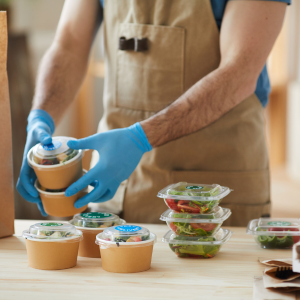
Walk into two different commercial kitchens and you might notice something surprising.
One team prepares food while wearing disposable gloves throughout service.
The other rarely uses gloves, relying instead on utensils, regular handwashing, and strict hygiene procedures.
So which approach is correct?
The reality is that wearing gloves isn't automatically a requirement for every food preparation task. Food safety depends on preventing contamination, and there are several ways to achieve that.
Understanding when gloves are helpful, when they may not be necessary, and how they fit into your overall food safety programme allows businesses to make informed decisions that protect both customers and staff.
Gloves Are One Part of Food Safety
Food safety relies on multiple layers of protection rather than a single solution.
A comprehensive food hygiene programme typically includes:
- Proper food storage
- Safe cooking temperatures
- Equipment sanitation
- Personal hygiene
- Cleaning and sanitising
- Preventing cross-contamination
- Appropriate use of food safe gloves where needed
Gloves should be viewed as one tool among many rather than the sole method of maintaining hygiene.
Situations Where Gloves Can Be Beneficial
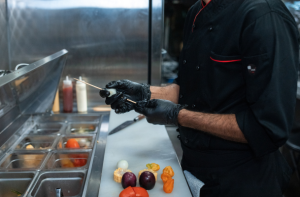
There are many food preparation tasks where disposable gloves provide practical advantages.
These include handling:
- Ready-to-eat foods
- Sandwiches
- Salads
- Bakery items
- Sushi
- Garnishes
- Prepared fruit
- Cold foods requiring frequent hand contact
Gloves also provide an additional barrier if a staff member has a minor cut or dressing that needs protecting during food preparation.
When Gloves May Not Always Be Necessary

Not every food preparation task requires direct hand contact.
Many commercial kitchens regularly use:
- Tongs
- Serving spoons
- Deli paper
- Scoops
- Spatulas
- Food-grade utensils
Using utensils instead of hands can reduce unnecessary glove use while still maintaining excellent hygiene standards.
For tasks involving cooking, mixing with equipment, or transferring ingredients using utensils, gloves may provide little additional benefit when good hygiene practices are already in place.
Consider the Type of Food Being Prepared
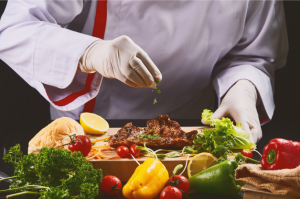
The need for gloves often depends on the food itself.
Businesses should consider whether the food will:
- Be cooked before serving
- Be served immediately
- Receive additional processing
- Be eaten without further cooking
Ready-to-eat foods generally require stricter handling procedures because there is no cooking step to reduce contamination risks later.
Customer Expectations Also Matter
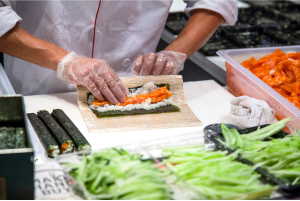
Beyond food safety, gloves can influence how customers perceive hygiene.
Many customers associate glove use with cleanliness, particularly in environments where food is prepared in full view.
Examples include:
- Sandwich bars
- Delicatessens
- Bakeries
- Sushi counters
- Food trucks
- Cafés
While gloves alone don't guarantee safe food handling, they can help reinforce customer confidence when used correctly.
Gloves Can Improve Workplace Efficiency
Disposable gloves can also provide operational benefits.
For example, they may help reduce the need for repeated hand cleaning when staff move between messy preparation tasks that involve ingredients such as:
- Beetroot
- Turmeric
- Raw dough
- Marinades
- Food colouring
Changing gloves may sometimes be faster than repeatedly cleaning hands after heavily staining ingredients, provided appropriate hygiene procedures are still followed.
Think About Comfort and Productivity
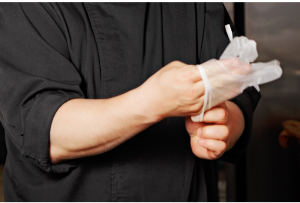
Employees often wear gloves for several hours each day.
Choosing gloves that fit properly can improve:
- Dexterity
- Grip
- Comfort
- Confidence when handling food
- Productivity during busy service periods
Ill-fitting gloves can reduce efficiency and increase fatigue during repetitive tasks.
Different Businesses Have Different Requirements
Every food business operates differently.
For example:
1. Restaurants
Staff often alternate between food preparation, cooking, plating, and cleaning.
2. Bakeries
Employees frequently handle ready-to-eat baked goods and decorative finishes.
3. Caterers
Food is often prepared in large volumes and transported to different locations.
4. Food Manufacturers
Processes may involve dedicated hygiene procedures based on production lines and food types.
Each business should assess its own workflow and determine where glove use provides the greatest benefit.
Gloves Should Support Your Food Safety Procedures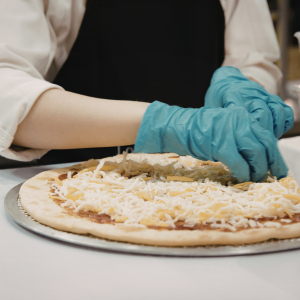
Rather than requiring gloves for every task, businesses should develop clear workplace procedures explaining:
- Which tasks require gloves
- Which tasks use utensils instead
- Where gloves are stored
- Who is responsible for monitoring glove supplies
- How glove use fits into daily operations
Having documented procedures improves consistency across all staff members.
Gloves Don't Replace Good Hygiene Practices
Even when gloves are worn correctly, they should never be viewed as a replacement for proper hygiene.
Good food safety still depends on clean work surfaces, properly sanitised equipment, safe food storage, and effective staff training.
Many people mistakenly believe that simply putting on gloves eliminates the need for good hand hygiene.
In reality, gloves and handwashing work together—not separately—to help reduce contamination risks. If you'd like to learn more, read our article Do Gloves Replace Handwashing? Why Both Matter for Food Safety, which explains why proper handwashing remains one of the most important parts of any food safety programme, even when disposable gloves are used.
Choosing the Right Gloves for Food Preparation
Not every disposable glove offers the same performance.
When selecting gloves for your workplace, consider:
- Food safety compliance
- Comfort
- Fit
- Tear resistance
- Flexibility
- Powder-free options
- The specific food preparation tasks being performed
The right gloves can improve both food safety practices and employee comfort throughout the working day.
If you're comparing materials, you may also find these guides helpful:
- The Surprising Benefits of Food-Grade Latex Gloves in the NZ Food Industry
- What's the Difference Between Latex and Vinyl Gloves?
Food Safe Gloves from Insinc
At Insinc, we supply high-quality food safe gloves designed for restaurants, cafés, bakeries, catering businesses, commercial kitchens, food manufacturers, and hospitality providers throughout New Zealand.
Our range includes durable disposable gloves that offer comfort, flexibility, and reliable performance to support hygienic food preparation across a wide variety of foodservice environments.
Whether you're preparing fresh meals, handling ready-to-eat foods, or managing a busy commercial kitchen, our team can help you choose food safe gloves that suit your operational needs.
Frequently Asked Questions
Do food handlers always need to wear gloves?
Not necessarily. Whether gloves are needed depends on the type of food being prepared, the preparation method, the use of utensils, and the food safety procedures followed by the business.
Are gloves better than using utensils?
Not always. Tongs, spatulas, deli paper, scoops, and other food-grade utensils can often minimise direct hand contact while supporting safe food handling practices.
Should gloves be worn when handling ready-to-eat food?
Many businesses choose to wear gloves when handling ready-to-eat foods because these products are typically served without further cooking, making contamination prevention especially important.
Can gloves improve customer confidence?
Yes. In customer-facing food preparation areas, visible glove use may help reassure customers that hygiene is being taken seriously, provided gloves are used correctly.
How do I choose the right food preparation gloves?
Look for gloves that are food safe, comfortable, durable, appropriately sized, and suitable for the specific food handling tasks performed in your workplace. Comparing different glove materials can also help you select the best option for your business.
https://www.insinc.co.nz/latexandvinylgloves.html
Posted: Friday 10 July 2026