
How to Prevent Mould, Mildew, and Bad Smells in Hotel Bathrooms
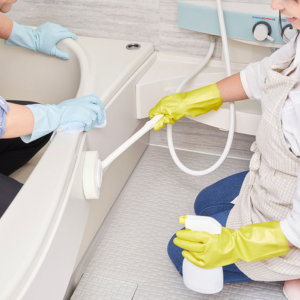
A hotel bathroom can look clean at first glance and still leave guests with a poor impression.
A musty smell, black marks around the shower sealant, discoloured grout, damp towels, or an unpleasant odour coming from a drain can make guests question the cleanliness of the entire room.
Hotel bathrooms are particularly vulnerable to mould, mildew, and bad smells because they are exposed to frequent showers, steam, soap residue, body oils, wet towels, and limited drying time between guests.
Spraying air freshener or wiping away visible mould may provide a temporary improvement, but it will not solve the underlying problem. Hotels need to control moisture, remove residue, maintain ventilation and plumbing systems, and establish consistent bathroom-cleaning procedures.
Here are ten practical ways to keep hotel bathrooms cleaner, drier, and fresher.
Why Do Hotel Bathrooms Develop Mould and Bad Smells?
Mould grows when moisture remains on a suitable surface for an extended period.
Steam from showers can settle on ceilings, walls, tiles, mirrors, grout, sealant, fixtures, and painted surfaces. When ventilation is inadequate, these areas may remain damp long after the guest has finished using the bathroom.
Unpleasant bathroom odours can also be caused by:
-
Damp towels and bathmats
-
Poor ventilation
-
Dry or damaged floor-drain traps
-
Soap scum and body-oil buildup
-
Plumbing leaks
-
Wet cleaning cloths or mop heads
-
Bacteria inside drains
-
Unclean bathroom bins
-
Incorrectly diluted cleaning products
-
Moisture trapped behind fixtures or walls
The most effective solution is to identify and remove the source of the moisture or odour rather than trying to disguise it.
1. Improve and Maintain Bathroom Ventilation
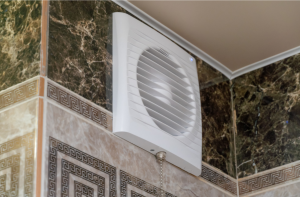
Effective ventilation is one of the most important defences against mould and mildew.
Extractor fans should remove humid air from the bathroom and discharge it outside the building. If a fan is weak, blocked, damaged, or incorrectly installed, steam may remain in the room and settle on surfaces.
Hotel maintenance teams should regularly check that:
-
Extractor fans switch on correctly
-
Airflow is strong enough to remove steam
-
Vent covers are clean and free from dust
-
Ducting is not blocked
-
Humid air is directed outside
-
Timers and humidity sensors work properly
-
Fans do not make unusual noises
-
Replacement air can enter the bathroom
Some hotels connect the extractor fan to the bathroom light, while others use humidity sensors or delayed shut-off timers. Timers can be particularly useful because they allow the fan to continue operating after the guest leaves.
Vent covers should also be included in the hotel’s cleaning and maintenance schedule. Dust and lint can restrict airflow even when the fan appears to be operating normally.
Bathrooms that repeatedly develop heavy condensation should be inspected by maintenance staff. A fan that makes noise is not necessarily moving enough air.
2. Remove Excess Moisture After Cleaning
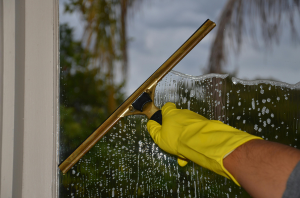
Housekeeping staff may unintentionally leave bathroom surfaces wetter than necessary.
Water left on shower floors, bath edges, vanity units, tiles, and areas around toilets increases humidity and slows the drying process. It can also leave water spots and mineral marks on glass and chrome.
After cleaning, staff should:
-
Squeegee shower walls and screens
-
Remove water from bath edges
-
Check corners for pooled water
-
Mop floors using the correct amount of solution
-
Leave the ventilation system running where possible
-
Remove wet cleaning cloths from the room
Visible standing water should not remain when the room is released for the next guest.
Wet towels, bathmats, robes, and cleaning cloths should also be removed promptly. Damp linen should not be left in piles, tightly sealed plastic bags, or housekeeping carts for long periods.
Fresh towels must be completely dry before they are folded, stored, or placed in guest bathrooms. Even slightly damp linen can develop a musty smell.
3. Clean Grout, Sealant, and Hidden Corners
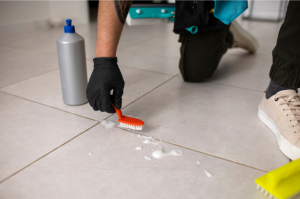
Grout and silicone sealant are among the most common places for bathroom mould to appear.
Grout can retain moisture, soap, and dirt, while silicone around showers, baths, basins, and toilets may develop dark marks where water repeatedly collects.
Housekeeping teams should inspect:
-
Shower corners
-
The bottom of shower doors
-
Bath surrounds
-
Basin edges
-
Tile joints
-
Areas behind taps
-
Toilet bases
-
Window frames
-
Ceiling corners
-
Shower-door channels
-
Areas behind bathroom doors
-
Spaces beneath vanity units
Surface mould may sometimes be removed using an appropriate commercial mould cleaner. However, if mould has penetrated deeply into damaged silicone, cleaning alone may not restore it.
Cracked, loose, or heavily discoloured sealant may need to be professionally removed and replaced. Repeatedly applying bleach to damaged sealant is not a permanent solution.
Recurring mould in the same location should always be investigated. It may indicate inadequate ventilation, leaking plumbing, damaged waterproofing, or moisture trapped behind the surface.
4. Remove Soap Scum and Organic Residue
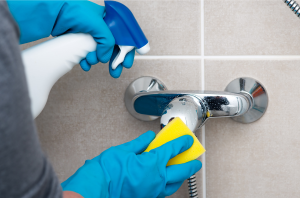
Soap scum is more than a cosmetic issue.
Residue from shampoo, conditioner, soap, skincare products, body oils, and cosmetics can build up on shower walls, tiles, baths, glass, fixtures, and drains. This residue traps moisture and provides material on which microorganisms may grow.
Hotels should choose cleaning products according to the type of soil being removed.
For example:
-
A general bathroom cleaner may be suitable for routine cleaning.
-
A descaler may be needed for mineral deposits.
-
A degreasing product may help remove oily body-product residue.
-
A specialist mould remover may be required for affected surfaces.
-
A glass cleaner may be appropriate for mirrors and shower screens.
One cleaning chemical should not automatically be expected to remove every type of bathroom soil.
Products should always be used according to their labels, including the recommended dilution, contact time, ventilation requirements, personal protective equipment, and surface compatibility.
Natural stone and certain decorative finishes may be damaged by acidic or strongly alkaline products. Staff should therefore be trained to recognise sensitive surfaces.
5. Maintain Drains and Floor Traps
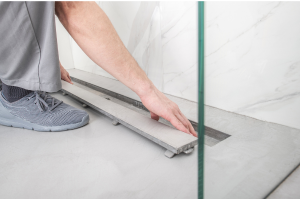
Bathroom odours frequently come from drains rather than visible surfaces.
Hair, soap, oils, skin particles, and cleaning residue can collect inside shower wastes, basin drains, and floor drains. Over time, this buildup may produce unpleasant smells and slow drainage.
Housekeeping and maintenance teams should monitor drains for:
-
Slow water flow
-
Gurgling sounds
-
Visible hair or debris
-
Recurring odours
-
Standing water
-
Drain flies
-
Water backing up during showers
Accessible drain covers should be cleaned according to the hotel’s procedures. Persistent blockages or odours may require attention from maintenance staff or a qualified plumber.
Floor drains that are not used regularly may also develop odours when the water inside the trap evaporates. The water normally acts as a barrier that prevents sewer gases from entering the room.
Dry traps may occur in:
-
Unoccupied rooms
-
Seasonal accommodation
-
Accessible bathrooms with rarely used drains
-
Renovated rooms
-
Staff bathrooms
-
Storage or service areas
Recurring sewer-like smells should never be covered with fragrance. They may indicate a dry trap, damaged plumbing, inadequate venting, or another drainage fault.
Hotels should also avoid repeatedly pouring strong or incompatible chemicals into drains. Some chemical drain cleaners can damage plumbing materials or create hazardous reactions.
6. Check for Leaks and Structural Moisture Problems
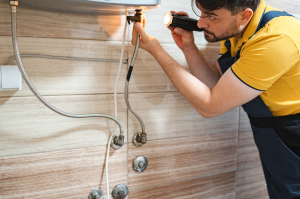
A bathroom may remain damp even when guests are not using it.
Small plumbing leaks can occur around toilets, taps, shower mixers, baths, basins, flexible hoses, pipes, grout joints, and shower trays. Water may also become trapped behind walls, under flooring, or inside cabinetry.
Warning signs include:
-
Peeling or bubbling paint
-
Swollen cabinets
-
Soft wall surfaces
-
Discoloured ceilings
-
Loose tiles
-
Damp flooring
-
Persistent musty smells
-
Mould that returns quickly
-
Water stains
-
Unexpected increases in water usage
Housekeeping employees are often the first people to notice these warning signs. Hotels should therefore have a simple reporting process that allows staff to send maintenance concerns promptly.
Cleaning around a recurring leak does not solve the problem. Delayed repairs may result in larger mould issues, structural damage, guest complaints, and rooms being taken out of service.
During renovations, hotels can also reduce future moisture problems by selecting:
-
Mould-resistant bathroom paint
-
Moisture-resistant wall linings
-
Non-porous surfaces
-
Properly sealed grout
-
High-quality sanitary silicone
-
Easy-to-clean shower screens
-
Correctly sloped floors
-
Fixtures with minimal hidden gaps
-
Cabinets designed for humid environments
Bathroom design should balance appearance with durability, hygiene, and ease of cleaning.
7. Clean Toilets, Bins, and Odour-Prone Areas Thoroughly
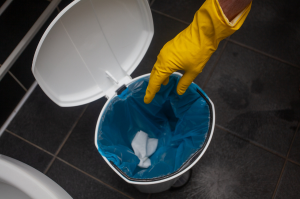
A bathroom can smell unpleasant even when the toilet bowl looks clean.
Urine, water, dust, and cleaning residue may collect around:
-
Toilet hinges
-
Nearby grout lines
-
Walls beside the toilet
-
Toilet-brush holders
-
Floor edges
Housekeeping procedures should cover the entire toilet area rather than focusing only on the inside of the bowl.
Cleaning tools used around toilets should be kept separate from those used on basins, taps, mirrors, and other surfaces. Colour-coded cloths and equipment can help reduce cross-contamination.
Toilet brushes and holders should be cleaned, dried, inspected, and replaced when they become worn or difficult to sanitise.
Bathroom bins should also be emptied during every room service. Even when a liner is used, liquids or cosmetic residue may leak into the bin.
Staff should:
-
Remove waste and replace the liner
-
Clean the inside and outside of the bin
-
Check lids and foot pedals
-
Allow cleaned bins to dry
-
Replace cracked or damaged bins
-
Use liners that fit correctly
Sanitary disposal units may require specialised servicing under the hotel’s hygiene and waste-management procedures.
8. Use Bathroom Cleaning Chemicals Correctly
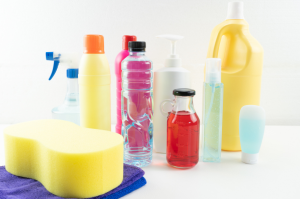
Using more chemical than recommended does not necessarily produce better cleaning results.
Overdosing may leave sticky or greasy residue on tiles, floors, fixtures, and shower surfaces. This can attract dirt, create overpowering chemical smells, damage finishes, and make surfaces harder to rinse.
Underdosing may also be ineffective because the solution may not be strong enough to remove the intended soil.
Housekeeping staff should follow product instructions for:
-
Dilution
-
Application
-
Contact time
-
Rinsing
-
Personal protective equipment
-
Ventilation
-
Storage
-
Surface compatibility
Controlled or automatic dosing systems can help hotels achieve more consistent results while reducing chemical waste.
Many bathroom cleaners, disinfectants, mould treatments, and descalers also need a specific contact or dwell time. Spraying a product and immediately wiping it away may not give it enough time to work.
However, products should not be left on longer than recommended, especially on metal fixtures, grout, natural stone, painted surfaces, or decorative finishes.
Most importantly, cleaning chemicals must never be mixed unless the manufacturer specifically states that it is safe.
Chlorine-based products should never be combined with acids, ammonia, vinegar, toilet cleaners, or other incompatible chemicals. Dangerous gases may be produced.
Hotels should provide:
-
Clearly labelled containers
-
Safety data sheets
-
Chemical-safety training
-
Suitable protective equipment
-
Secure chemical storage
-
Separate dispensing equipment
-
Written dilution instructions
-
Spill and exposure procedures
Cleaning products should never be transferred into unlabelled containers or drink bottles.
9. Create a Preventive Bathroom Cleaning Schedule

Daily cleaning is essential, but some bathroom areas require additional scheduled attention.
A preventive schedule can divide tasks into daily servicing, regular deep cleaning, and maintenance inspections.
During Every Room Service
-
Clean the toilet, basin, shower, and bath.
-
Remove used towels and bathmats.
-
Empty bathroom bins.
-
Remove visible hair and drain debris.
-
Wipe mirrors, shower screens, and fixtures.
-
Dry standing water.
-
Check for visible mould.
-
Check for musty, sewer-like, or urine odours.
-
Inspect for leaks.
-
Confirm that the extractor fan is operating.
During Scheduled Deep Cleaning
-
Detail grout lines and shower corners.
-
Clean shower-door tracks and channels.
-
Clean behind movable bathroom items.
-
Inspect silicone sealant.
-
Clean external extractor covers.
-
Detail toilet hinges and fittings.
-
Clean drain covers.
-
Remove soap scum and mineral deposits.
-
Inspect ceiling corners and upper walls.
During Maintenance Inspections
-
Test ventilation performance.
-
Check plumbing fixtures for leaks.
-
Inspect walls, ceilings, grout, and sealant.
-
Review recurring mould locations.
-
Check water flow and drainage.
-
Inspect floor-drain traps.
-
Repair damaged surfaces.
-
Review chemical dilution procedures.
The frequency of each task should reflect the hotel’s occupancy, bathroom design, climate, guest turnover, and internal hygiene standards.
10. Train Staff to Identify and Report Problems

Good cleaning products cannot compensate for inconsistent procedures or unresolved maintenance faults.
Housekeeping employees should know how to recognise and report:
-
Recurring mould growth
-
Slow drains
-
Sewer-like smells
-
Loose tiles
-
Cracked grout
-
Damaged sealant
-
Leaking taps
-
Running toilets
-
Peeling paint
-
Weak extractor fans
-
Damp cabinets
-
Water stains
They should not be expected to repair plumbing, replace sealant, or dismantle ventilation equipment unless they are trained and authorised to do so.
Hotels can use a housekeeping app, room-status system, maintenance log, or reporting sheet to track problems. Reports should include the room number, location of the issue, date observed, and any temporary action taken.
Clear communication prevents the same issue from being wiped, sprayed, and overlooked during multiple room services.
Staff should also understand that fragrance is not a substitute for cleaning or maintenance.
Air fresheners cannot remove:
-
Drain buildup
-
Sewer gases
-
Mould
-
Damp linen
-
Urine residue
-
Dirty bins
-
Plumbing leaks
-
Wet cleaning equipment
Strong fragrances may make an odour more noticeable when the two smells combine. The source should always be identified and corrected first.
Hotel Bathroom Mould and Odour Prevention Checklist
During Every Room Service
-
Remove used towels and bathmats.
-
Empty and clean bathroom bins.
-
Remove visible hair and debris.
-
Clean the shower, bath, basin, and toilet.
-
Wipe around toilet hinges and the base.
-
Dry standing water.
-
Squeegee shower glass where required.
-
Check drains for slow water flow.
-
Inspect grout and sealant for mould.
-
Check for musty or sewer-like smells.
-
Confirm that the extractor fan works.
During Deep Cleaning
-
Clean shower-door tracks and channels.
-
Detail grout lines and corners.
-
Clean external extractor vents.
-
Check behind bins and movable items.
-
Inspect ceilings and upper walls.
-
Clean accessible drain covers.
-
Inspect silicone for damage.
-
Check taps, pipes, and toilets for leaks.
-
Remove mineral and soap deposits.
Maintenance Follow-Up
-
Investigate recurring mould.
-
Repair plumbing leaks promptly.
-
Replace damaged grout or sealant.
-
Service weak or blocked extractor fans.
-
Check floor-drain traps.
-
Inspect damaged walls and cabinetry.
-
Resolve persistent drainage odours professionally.
Why Choose Insinc for Hotel Bathroom Cleaning Supplies?
Insinc supplies commercial cleaning products and hygiene solutions for hotels, motels, lodges, serviced apartments, and other accommodation businesses across New Zealand.
Professional products designed for commercial environments can help housekeeping teams remove bathroom soils efficiently, maintain consistent cleaning standards, and manage high-use areas more effectively.
Depending on the property’s requirements, a hotel bathroom-cleaning system may include:
-
General bathroom cleaners
-
Toilet and urinal cleaners
-
Disinfectants
-
Glass and mirror cleaners
-
Descaling products
-
Mould and mildew treatments
-
Odour-control products
-
Commercial cleaning cloths
-
Gloves and protective equipment
-
Waste-bin liners
-
Controlled chemical-dosing systems
Choosing suitable products, providing staff training, and following label instructions can help accommodation providers achieve reliable results without unnecessary chemical use.
Frequently Asked Questions
What causes mould in hotel bathrooms?
Mould commonly develops when moisture remains on walls, ceilings, grout, sealant, or other surfaces. Poor ventilation, plumbing leaks, frequent showers, soap residue, and inadequate drying can all contribute.
What is the difference between mould and mildew?
Mildew is a term commonly used for flat or powdery fungal growth on damp surfaces. Mould is a broader term covering many types of fungi. In hotel bathrooms, both terms are often used to describe growth associated with persistent moisture.
How often should hotel bathrooms be deep cleaned?
The appropriate frequency depends on occupancy, room turnover, bathroom design, and the property’s standards. In addition to daily servicing, hotels should schedule detailed cleaning of grout, drains, ventilation covers, shower tracks, and difficult-to-reach areas.
Why does a clean hotel bathroom still smell bad?
The smell may be coming from a drain, dry floor trap, hidden leak, damp towel, toilet fitting, bin, or wet cleaning tool. Poor ventilation can also allow odours to remain in the room.
Can hotels use bleach to remove bathroom mould?
A chlorine-based product may be suitable for some surfaces, but it should only be used according to the label and surface manufacturer’s instructions. Chlorine bleach must never be mixed with acids, ammonia, vinegar, toilet cleaners, or other incompatible products.
Why does bathroom mould keep coming back?
Recurring mould usually means that the underlying moisture source has not been corrected. The bathroom may have weak ventilation, leaking plumbing, damaged sealant, condensation problems, or water trapped behind fixtures or walls.
How can hotels prevent shower drains from smelling?
Remove visible hair and residue, clean accessible drain components, and monitor drainage speed. Persistent sewer-like odours or repeated blockages should be referred to maintenance staff or a qualified plumber.
Should hotel bathrooms be completely dry after cleaning?
Visible standing water should be removed, and surfaces should be allowed to dry as quickly as practical. Effective ventilation, squeegeeing, and correct mopping techniques can reduce moisture without unnecessarily delaying room preparation.
A Fresh-Smelling Bathroom Starts With Moisture Control
Preventing mould, mildew, and unpleasant bathroom smells requires more than applying stronger cleaning chemicals.
Hotels need a coordinated approach that includes effective ventilation, regular drain maintenance, prompt leak repairs, correct chemical use, careful drying, scheduled deep cleaning, and clear communication between housekeeping and maintenance teams.
When moisture and residue are properly managed, bathrooms remain cleaner for longer, surfaces experience less damage, and guests are less likely to encounter musty smells, visible mould, or unpleasant drain odours.
A consistently clean and fresh hotel bathroom supports guest confidence, positive reviews, stronger hygiene standards, and the long-term condition of the property.
https://www.insinc.co.nz/laundrycleaningproductsforhotelsandmotels.html
Posted: Friday 17 July 2026