
How to Keep Hotel Towels Soft, White, and Long-Lasting? A Complete Laundry Guide
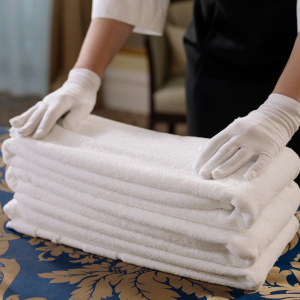
Guests may not consciously inspect every towel in their hotel room, but they immediately notice when one feels rough, looks grey, smells musty, or fails to absorb water properly.
Soft, bright white towels help create the clean, comfortable, and professionally maintained experience guests expect from hotels, motels, resorts, lodges, serviced apartments, and other accommodation businesses.
However, hotel towels face demanding conditions. They may be washed several times each week, exposed to makeup, skincare products, cleaning chemicals, body oils, and incorrect detergent amounts. Over time, this can leave towels stiff, discoloured, less absorbent, and worn around the edges.
The good news is that towels do not have to be replaced as soon as they lose their softness or brightness. With the right laundry process, hospitality businesses can extend towel life, maintain a consistent appearance, and reduce unnecessary laundry costs.
Why Do Hotel Towels Become Rough and Grey?
Before changing your laundry process, it helps to understand what causes towels to deteriorate.
Common causes include:
-
Using too much laundry detergent
-
Overusing fabric softener
-
Washing heavily soiled towels with lightly used towels
-
Overloading the washing machine
-
Using water that is too hot
-
Drying towels at excessively high temperatures
-
Allowing wet towels to sit for too long
-
Detergent and mineral buildup
-
Incorrect stain treatment
-
Poor rinsing
-
Repeated exposure to chlorine bleach
Hotel towels often become rough because detergent, fabric softener, body oils, and minerals remain trapped between the cotton fibres. Instead of becoming cleaner with each wash, the towels gradually develop layers of residue.
White towels may also become grey or yellow when dirt is not completely removed, laundry loads are overcrowded, or chemicals are incorrectly measured.
1. Choose Towels Designed for Commercial Use
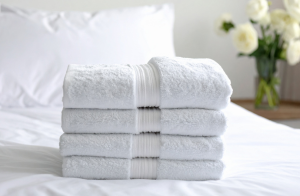
Maintaining hotel towels begins before the first wash.
Household towels are not always designed to withstand the frequent laundering required in hospitality environments. Commercial hotel towels are generally constructed to tolerate repeated washing, drying, stain treatment, and handling.
When purchasing hotel towels, consider:
-
Fibre quality
-
Cotton type
-
Towel weight
-
Stitching quality
-
Edge reinforcement
-
Colour consistency
-
Shrinkage resistance
-
Commercial washing compatibility
Thicker towels can feel more luxurious, but they also take longer to dry. Longer drying times may increase energy use and create moisture problems if towels are removed before they are completely dry.
A medium-weight commercial towel can provide a good balance between guest comfort, durability, absorbency, and drying efficiency.
2. Collect Used Towels Quickly
Wet towels should not remain in guest bathrooms, housekeeping carts, laundry bags, or storage areas for extended periods.
When damp towels are piled together, they create warm, moist conditions that encourage unpleasant odours and microbial growth. Even after washing, the towels may retain a musty smell.
Housekeeping teams should:
-
Collect used towels promptly
-
Avoid storing wet towels in sealed plastic bags
-
Use breathable laundry bags or collection containers
-
Keep soiled linen areas ventilated
-
Wash damp towels as soon as practical
-
Avoid leaving wet laundry in the washing machine overnight
If towels cannot be washed immediately, they should be spread out or stored in a way that allows airflow.
3. Sort Towels Before Washing
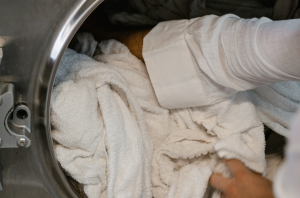
Sorting is one of the simplest ways to preserve towel quality.
Hotel towels should be separated based on colour, soil level, and contamination risk.
Consider creating separate loads for:
-
White towels
-
Coloured towels
-
Heavily stained towels
-
Lightly used towels
-
Cleaning cloths
-
Kitchen linen
-
Pool or spa towels
-
Towels contaminated with chemicals
Hotel bath towels should not normally be washed with cleaning cloths, mop heads, or kitchen towels. These items can transfer grease, chemicals, lint, food residue, or strong odours.
Heavily stained towels may also require pre-treatment before entering the main wash cycle.
4. Avoid Overloading the Washing Machine
Overloading may appear to save time, water, and energy, but it can produce poorer results and shorten towel life.
Towels need space to move through the wash water. When the machine is packed too tightly, detergent and water cannot circulate effectively.
This may result in:
-
Incomplete soil removal
-
Detergent residue
-
Grey-looking towels
-
Poor rinsing
-
Uneven cleaning
-
Longer drying times
-
Increased friction between towels
Follow the washing machine manufacturer’s recommended load capacity. Remember that commercial laundry capacity is usually measured by the dry weight of the laundry.
A properly loaded machine allows towels to tumble and rinse freely.
5. Use the Correct Amount of Detergent
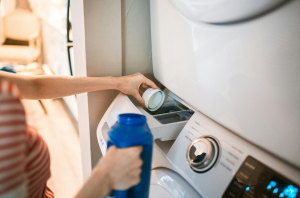
Using extra detergent does not necessarily make towels cleaner.
Too much detergent can become trapped in the towel fibres, making them feel stiff, waxy, or heavy. Detergent residue can also reduce absorbency and attract more dirt during future use.
Too little detergent, however, may fail to remove body oils, skincare products, and other soils.
The correct amount depends on:
-
Load size
-
Soil level
-
Water hardness
-
Washing machine type
-
Detergent concentration
-
Wash temperature
-
Commercial laundry programme
Always follow the detergent manufacturer’s dosing instructions. Commercial laundry facilities may also benefit from automatic chemical dosing systems, which help provide consistent measurements across every load.
If towels feel sticky or excessively stiff after washing, detergent overdosing may be part of the problem.
For a deeper look at this issue, read our article, Is Your Laundry Detergent Leaving White Marks? Here’s Why and What to Do, where we explain the common causes of detergent residue, how it affects fabrics, and the simple steps you can take to fix it.
6. Consider Your Water Quality
Hard water contains minerals such as calcium and magnesium. These minerals can react with detergent and gradually build up on towels.
Hard water may contribute to:
-
Grey or dull-looking towels
-
Rough fibres
-
Reduced detergent performance
-
Mineral deposits
-
Increased chemical use
-
Scale buildup inside laundry equipment
Hotels in hard-water areas may need to use a detergent formulated for hard water, adjust chemical dosing, or install a water-softening system.
Water quality should be considered before increasing the amount of detergent. Adding more detergent without addressing the mineral content may worsen residue buildup.
7. Use an Appropriate Wash Temperature
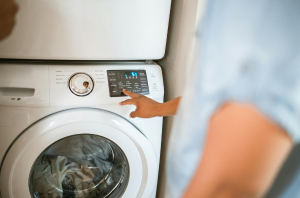
Hot water can help remove oils, stains, and microorganisms, but hotter is not always better.
Repeated exposure to unnecessarily high temperatures can weaken towel fibres, increase shrinkage, fade coloured towels, and raise energy costs.
The correct temperature depends on:
-
Towel manufacturer instructions
-
Laundry detergent formulation
-
Soil type
-
Hygiene requirements
-
Washing equipment
-
Local industry procedures
Many modern commercial detergents are designed to work effectively at controlled or moderate temperatures.
Hotels should create standard laundry programmes for different types of towels rather than washing every load using the hottest available setting.
8. Use Fabric Softener Carefully
Fabric softener can make towels feel smooth, but frequent or excessive use may reduce absorbency.
Many fabric softeners work by coating the fibres. This coating creates a softer surface, but it can also prevent water from being absorbed efficiently.
Signs of fabric softener buildup include:
-
Towels that push water around instead of absorbing it
-
A slippery or waxy texture
-
Longer drying times
-
Strong fragrance that remains after washing
-
Reduced fluffiness
Hospitality businesses do not necessarily have to eliminate fabric softener completely, but it should be used carefully and according to the product instructions.
Some commercial laundries use softening products specifically formulated for towels and hospitality linen. These may provide better results than ordinary household softeners.
9. Do Not Rely on Chlorine Bleach for Every Load

Chlorine bleach can whiten and disinfect suitable fabrics, but repeated use may weaken cotton fibres.
Overusing chlorine bleach can lead to:
-
Thinning fabric
-
Frayed edges
-
Yellowing
-
Holes
-
Reduced towel lifespan
-
Damage to decorative stitching
Bleach should only be used when appropriate for the towel material and according to the manufacturer’s instructions.
Oxygen-based whitening products may be a gentler option for some routine laundry applications. However, hospitality businesses should always check chemical compatibility, dosing instructions, and fabric care labels.
Never mix chlorine bleach with ammonia, acids, vinegar, toilet cleaners, or other cleaning chemicals. Dangerous gases can be produced when incompatible chemicals are combined.
10. Pre-Treat Stains Before Washing
Repeatedly washing and drying a stained towel can cause the stain to become more difficult to remove.
Hotels commonly encounter stains from:
-
Makeup
-
Foundation
-
Mascara
-
Hair dye
-
Fake tan
-
Skincare products
-
Blood
-
Food and drinks
-
Massage oils
-
Shoe polish
-
Cleaning chemicals
Housekeeping or laundry staff should identify stains before placing towels in the washing machine.
A suitable stain remover should be applied according to the product instructions and allowed enough contact time to work. Avoid scrubbing towels aggressively, as this may damage the loops and create worn patches.
Different stains may require different treatments. An oil-based makeup stain, for example, may not respond to the same treatment as a protein-based stain.
Always test unfamiliar stain removers on a discreet area first.
11. Check Towels Before Drying
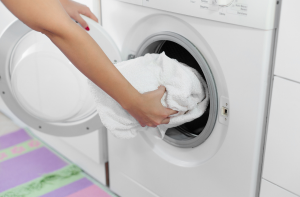
Heat can set some stains permanently.
Before placing washed towels in the dryer, inspect them for remaining marks. Towels with visible stains may need to be treated and washed again.
This simple inspection step can prevent salvageable towels from being permanently stained.
It also helps housekeeping teams identify recurring problems, such as:
-
Incorrect chemical dosing
-
Ineffective stain removers
-
Overloaded machines
-
Poor wash temperatures
-
Towels that need to be removed from guest use
12. Dry Towels at the Correct Temperature
Excessive dryer heat is one of the most common causes of premature towel damage.
High temperatures can weaken cotton fibres, cause shrinkage, damage hems, and create a rough texture. Over-drying also wastes energy.
Towels should be dried thoroughly, but they should not remain in the dryer long after they are dry.
Consider using:
-
Moisture-sensing dryer programmes
-
Timed cycles based on towel weight
-
Medium heat where appropriate
-
Cool-down cycles
-
Regular dryer maintenance
Removing towels promptly can also reduce creasing and prevent heat damage.
If towels consistently take too long to dry, check whether the washing machine is extracting enough water during the final spin cycle.
13. Clean the Dryer Lint Filter Regularly
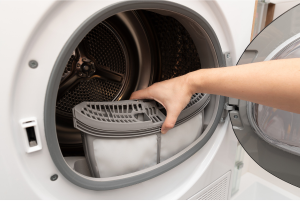
Towels naturally release lint, particularly when they are new.
A blocked lint filter reduces airflow and makes the dryer work harder. It may increase drying time, energy consumption, and the risk of overheating.
Hotel laundry teams should clean lint filters according to the equipment manufacturer’s instructions. Dryer vents and ducts should also be inspected and maintained regularly.
Good airflow helps towels dry evenly and reduces unnecessary heat exposure.
14. Shake Towels Before Drying and Folding
Shaking towels after washing can help loosen compressed fibres before they enter the dryer.
After drying, a quick shake can also restore some loft and make towels appear fluffier.
This small step can improve presentation without relying heavily on fabric softener.
Towels should then be folded consistently and inspected for:
-
Stains
-
Frayed edges
-
Holes
-
Loose threads
-
Discolouration
-
Unpleasant odours
-
Excessive thinning
15. Make Sure Towels Are Completely Dry Before Storage
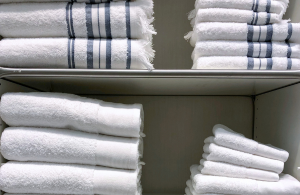
Even slightly damp towels can develop a musty smell during storage.
Before folding and shelving towels, make sure they are dry throughout, including around thick hems and folded edges.
Clean towels should be stored:
-
In a dry, ventilated linen room
-
Away from chemicals
-
Off the floor
-
Away from direct moisture
-
On clean shelving
-
In an area protected from dust and pests
Avoid packing warm towels tightly onto shelves immediately after drying. Allowing them to cool first can reduce trapped heat and moisture.
16. Rotate Towel Stock
Using the same towels repeatedly while other stock remains untouched can create uneven wear.
Hotels should rotate towel inventory so that each item receives approximately the same level of use.
A first-in, first-out system can help:
-
Place newly laundered towels at the back or bottom.
-
Use older clean stock first.
-
Rotate reserve stock into regular circulation.
-
Record linen losses and replacements.
-
Remove damaged towels from guest use.
Consistent rotation makes it easier to predict replacement needs and maintain uniform towel quality.
17. Establish Clear Replacement Standards
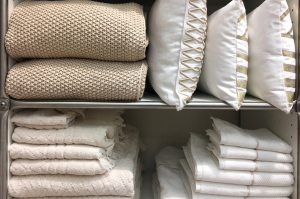
Not every old towel needs to be thrown away immediately, but not every washed towel should return to a guest room.
Hotels should establish clear standards for when towels must be removed from service.
A towel may need to be replaced if it has:
-
Permanent stains
-
Noticeable thinning
-
Torn hems
-
Large pulled loops
-
Holes
-
Persistent odours
-
Severe discolouration
-
Poor absorbency
-
A rough texture that cannot be restored
Towels that are no longer suitable for guests may sometimes be reassigned for approved back-of-house purposes. However, they should be clearly marked or stored separately to prevent them from returning to guest rooms.
18. Train Housekeeping and Laundry Staff
Even the best laundry products will not deliver consistent results without clear procedures.
Staff training should cover:
-
Laundry sorting
-
Correct load sizes
-
Chemical dosing
-
Stain identification
-
Safe chemical handling
-
Machine settings
-
Drying temperatures
-
Towel inspection
-
Linen storage
-
Stock rotation
-
Damaged linen reporting
Written standard operating procedures can help reduce variation between employees and shifts.
Instructions should be displayed near laundry equipment where staff can easily refer to them.
To further support your housekeeping and laundry standards, it’s also worth understanding how cleanliness is perceived from a guest’s point of view. For a deeper insight into this, read our article: What Your Hotel Guests Notice About Room Cleanliness (And What They Don’t), where we explore the subtle details guests pay attention to—and the ones they often overlook—so you can better align your cleaning processes with real guest expectations.
19. Maintain Your Laundry Equipment
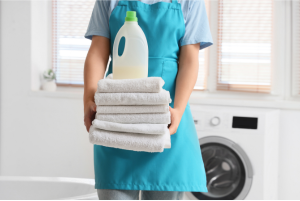
Poorly maintained washing machines and dryers can damage towels and reduce cleaning performance.
Regular maintenance should include:
-
Cleaning detergent dispensers
-
Inspecting door seals
-
Removing residue from washing drums
-
Cleaning lint filters
-
Checking dryer airflow
-
Inspecting hoses and drainage
-
Checking water temperatures
-
Calibrating automatic dosing systems
-
Servicing equipment according to schedule
A washing machine with detergent buildup may transfer residue back onto clean towels. A dryer with restricted airflow may overheat towels while still leaving them damp in some areas.
20. Monitor Laundry Results Over Time
Hotels should not wait until guests complain before reviewing their towel care process.
Regularly evaluate:
-
Towel softness
-
Whiteness
-
Absorbency
-
Replacement rates
-
Detergent consumption
-
Water use
-
Energy use
-
Guest feedback
If towel replacement costs begin increasing, review the entire laundry process before automatically changing suppliers.
The problem may be related to chemical dosing, water hardness, over-drying, poor sorting, or staff inconsistency rather than the quality of the towels themselves.
Why Choose Insinc for Hotel Laundry Chemicals
Insinc is a trusted supplier of professional-grade cleaning chemicals designed specifically for demanding commercial and hospitality environments. Hotels, motels, and accommodation providers rely on Insinc products to achieve consistently clean, bright, and hygienic towels without compromising fabric quality. With carefully formulated solutions for stain removal, whitening, and fabric care, Insinc helps businesses maintain higher laundry standards while improving efficiency and reducing linen replacement costs. When towel appearance, softness, and guest satisfaction matter, Insinc delivers reliable results that hospitality operators can depend on.
Frequently Asked Questions
Why do hotel towels become hard after washing?
Hotel towels often become hard because of detergent residue, fabric softener buildup, hard-water minerals, overloaded machines, or excessive dryer heat. Reviewing detergent dosing and rinse performance is a good place to start.
Should hotels use fabric softener on towels?
Fabric softener should be used carefully. Excessive use can coat towel fibres and reduce absorbency. A properly dosed commercial softening product may be suitable, but it should not be used as a substitute for correct washing and drying.
How can hotels keep white towels from turning grey?
Correct sorting, proper detergent dosing, suitable load sizes, effective rinsing, water-quality management, and appropriate whitening products can help prevent white towels from becoming grey.
Can hotel towels be washed in hot water?
They can be washed in hot water when the towel manufacturer, detergent instructions, and hygiene procedures allow it. However, repeatedly using temperatures that are higher than necessary may shorten towel life.
Why do clean hotel towels sometimes smell musty?
Musty odours are often caused by wet towels being stored too long, incomplete washing, poor rinsing, towels remaining damp after drying, or moisture in the linen storage area.
How often should hotels replace towels?
There is no single replacement schedule that applies to every hotel. Replacement frequency depends on towel quality, washing frequency, chemical use, drying temperatures, guest behaviour, and the hotel’s presentation standards. Towels should be assessed by condition rather than age alone.
How can hotels make towels more absorbent?
Reduce detergent and fabric softener buildup, ensure thorough rinsing, avoid overloading machines, and use appropriate wash programmes. Towels with heavy residue may require a specialist laundry treatment or additional rinse cycle.
Protecting Towel Quality Protects the Guest Experience
Hotel towels are more than a basic linen item. Their softness, cleanliness, colour, absorbency, and smell all contribute to how guests perceive the standard of a property.
A reliable towel-care process should focus on correct sorting, controlled chemical dosing, effective stain treatment, suitable wash temperatures, careful drying, proper storage, and regular staff training.
By following consistent commercial laundry procedures, hospitality businesses can keep towels softer and brighter for longer, provide a better guest experience, and reduce the cost and environmental impact of replacing linen prematurely.
https://www.insinc.co.nz/laundrycleaningproductsforhotelsandmotels.html
Posted: Friday 17 July 2026