What Should Never Go Down a Septic System? A Guide for New Zealand Homes and Businesses
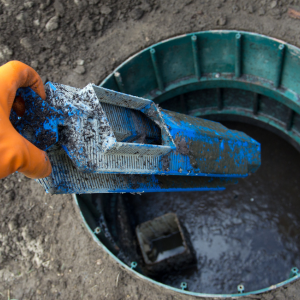
A septic tank may be hidden underground, but what happens inside it can affect your toilets, drains, property and surrounding environment.
Unlike a normal rubbish bin, a septic system is designed to receive wastewater and human waste. It relies on physical separation and biological activity to process that waste before liquid moves into the disposal field.
Problems begin when materials enter the system that cannot break down, interfere with its microorganisms or overload its capacity. The result may be slow drains, unpleasant smells, overflowing wastewater, blocked pipes or expensive repairs.
So, what should never go down a septic system? Here are ten of the biggest offenders New Zealand homes and businesses should keep away from their drains.
Why What You Put Down the Drain Matters
Inside a septic tank, heavier solids settle at the bottom while oils and lighter materials form a scum layer near the top. Microorganisms help break down some of the organic waste between pump-outs.
The partially treated wastewater then moves into a disposal field, where it is further filtered through the soil.
A septic system can struggle when it receives:
-
Materials that do not break down
-
Excessive fats, oils or food waste
-
Concentrated chemicals that interfere with biological activity
-
Hazardous substances that may pass into the surrounding soil
-
Too much water within a short period
New Zealand councils advise property owners to keep oils, grease, coffee grounds, wipes, medicines, paints, weedkillers and strong chemicals out of onsite wastewater systems.
1. Wet Wipes—including Those Labelled “Flushable”
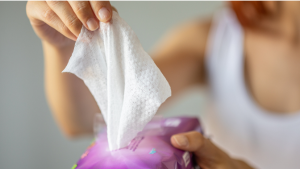
Wet wipes are one of the most common causes of plumbing and wastewater blockages.
Unlike toilet paper, most wipes are designed to remain strong when wet. This means they may travel through the toilet without immediately causing a problem but remain intact inside the pipes or septic tank.
Over time, wipes can:
-
Catch on pipe joints or tree roots
-
Combine with grease to create solid blockages
-
Accumulate inside pumps and filters
-
Increase the volume of solids requiring removal
-
Reach and obstruct parts of the disposal system
Watercare recommends flushing only the “three Ps”: pee, poo and toilet paper. Wet wipes should be placed in a rubbish bin, even when their packaging describes them as flushable.
This includes baby wipes, cleaning wipes, makeup wipes, antibacterial wipes and moist toilet tissue unless the product has been independently tested and approved for flushability—and even then, property owners with septic tanks should be cautious.
For businesses wanting to make smarter washroom choices, it’s also worth reading Is Your Business Toilet Paper Septic-Safe? What You Need to Know, which explains how different toilet paper types can impact septic systems, maintenance costs and long-term performance.
2. Sanitary Products, Nappies and Other Solid Rubbish
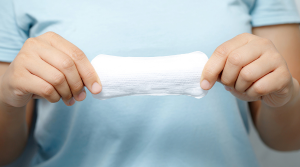
Toilets should never be used as convenient rubbish bins.
The following products do not belong in a septic system:
-
Sanitary pads and tampons
-
Disposable nappies
-
Incontinence products
-
Cotton buds and cotton wool
-
Dental floss
-
Condoms
-
Paper towels
-
Facial tissues
-
Cigarette butts
-
Hair
-
Bandages and dressings
-
Cat litter
Many of these products expand when wet or contain plastic, synthetic fibres and absorbent materials that do not decompose quickly.
Paper towels and facial tissues may look similar to toilet paper, but they are manufactured to remain stronger when wet. They can therefore take much longer to break apart inside a septic system.
Every washroom should have clearly labelled rubbish or sanitary-disposal bins so staff, customers and visitors are not tempted to flush unsuitable items.
3. Fats, Oils and Grease
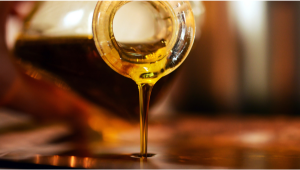
Cooking fat, oil and grease—often referred to as FOG—should never be poured down a sink.
Although warm grease may appear liquid when it enters a drain, it cools and solidifies inside the pipework. It can then combine with food particles, wipes and other debris to form stubborn blockages.
Inside a septic tank, excessive grease may also contribute to a thicker scum layer and interfere with the normal movement of wastewater through the system.
Watercare advises both households and commercial kitchens to collect fats, oils and grease in covered containers rather than pouring them into wastewater systems.
Instead:
-
Allow cooking fat to cool.
-
Scrape it into a sealed container.
-
Wipe greasy cookware before washing it.
-
Arrange appropriate oil collection for commercial quantities.
-
Maintain grease traps where they are required.
Restaurants, cafés, hotels and food-production businesses should have a documented process for managing cooking oils and grease.
If your business is also dealing with unpleasant odours coming from your septic system, it’s worth understanding the underlying causes rather than just masking the symptoms. Our article Stop Septic Tank Smells: Why Natural Septic Treatments Work Better explains how odours develop in onsite wastewater systems and why natural, enzyme-based treatments can help restore balance and reduce recurring smell issues without relying on harsh chemicals.
4. Food Scraps and Coffee Grounds

A septic tank is not a food-waste processor.
Food scraps add unnecessary solids to the system and may increase the rate at which sludge builds up. Materials such as bones, eggshells, vegetable peelings and fibrous food waste can take a long time to decompose.
Coffee grounds are particularly troublesome because they do not dissolve in water. They can settle in pipes or contribute to accumulated solids inside the tank.
Waste-disposal units can also create problems for onsite wastewater systems. Grinding food into smaller pieces does not make it disappear—it simply sends those particles into the septic tank.
Otago Regional Council recommends scraping dishes before washing them, keeping coffee grounds out of sinks and avoiding waste-disposal units on properties with septic systems.
Use food-waste collection, composting or an appropriate rubbish service instead.
5. Paint, Thinners, Solvents, Petrol and Motor Oil
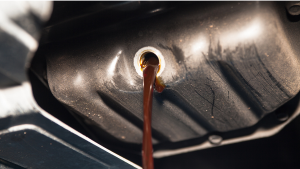
Never use a toilet, sink or floor drain to dispose of leftover paint or automotive and workshop chemicals.
This includes:
-
Paint and paintbrush washings
-
Turpentine and paint thinner
-
Petrol and diesel
-
Motor oil
-
Adhesives
-
Varnishes
-
Wood treatments
-
Cleaning solvents
-
Photographic chemicals
These substances may be toxic, flammable, corrosive or harmful to the environment. They can interfere with septic treatment and may move through the system into surrounding soil or groundwater.
The New Zealand Environmental Protection Authority advises people to use council hazardous-waste facilities, product take-back services or specialised disposal companies for unwanted household chemicals.
Keep leftover chemicals in their original labelled containers until they can be disposed of correctly. Never mix different waste chemicals together.
6. Pesticides, Herbicides and Garden Chemicals
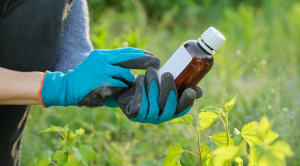
Weedkillers, pesticides, fungicides and other agrichemicals are designed to control or kill living organisms. They therefore have no place in a biological wastewater-treatment system.
Do not pour leftover garden chemicals into:
-
Toilets
-
Sinks
-
Floor drains
-
Septic inspection openings
-
Stormwater drains
-
Outdoor drains
Businesses, farms and rural properties should follow the disposal instructions on the product label and use an approved agrichemical or hazardous-waste collection service where required.
New Zealand councils specifically advise septic-system owners not to put weedkillers, pesticides or other toxic chemicals down their drains.
7. Concentrated Bleach and Excessive Disinfectant
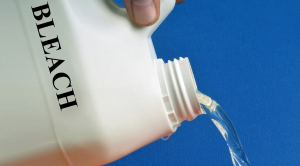
This does not mean a septic property can never use bleach or disinfectant. Correct disinfection remains important in kitchens, washrooms, healthcare settings and other high-risk environments.
The problem is excessive use or the disposal of concentrated products.
Pouring leftover bleach, disinfectant or antibacterial cleaner directly down a drain can interfere with the microorganisms involved in septic treatment. Repeated overdosing may make it harder for the system to process organic waste effectively.
Gisborne District Council warns against disposing of bleach, disinfectants and other strong chemicals through septic-system drains and toilets because they can harm the organisms the system depends on.
Safer practices include:
-
Follow the manufacturer’s dilution instructions.
-
Use only the amount required for the task.
-
Choose products clearly labelled as suitable for septic systems.
-
Use automatic or controlled dosing in commercial facilities.
-
Never empty unwanted concentrate into a sink or toilet.
-
Avoid combining disinfectants with other cleaning chemicals.
“More chemical” does not automatically mean “more hygienic.” Correct product selection, concentration and contact time are more important than overdosing.
8. Caustic Drain Cleaners and Highly Corrosive Products
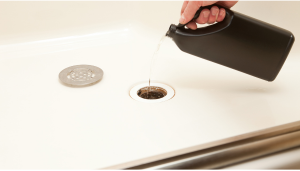
Strong chemical drain openers may contain highly caustic or corrosive ingredients. While they can burn through some organic material, they may also create risks for staff, pipework and wastewater systems.
Repeated use may temporarily hide an underlying plumbing issue without removing the cause. Chemical residues can also remain in the drain, creating a hazard for plumbers or maintenance workers.
For routine drain maintenance, consider a properly formulated enzyme-based drain cleaner that gradually breaks down organic residues such as fats, proteins and starches.
However, enzyme cleaners are preventative maintenance products—not a guaranteed fix for a fully blocked pipe, damaged drain or failed septic system. Severe or recurring blockages should be assessed by a qualified drainlayer or septic-system professional.
For more information, read Enzymes in Drain Cleaning: What They Are, How They Work, and Why NZ Workplaces Should Use Them.
9. Unused or Expired Medicines
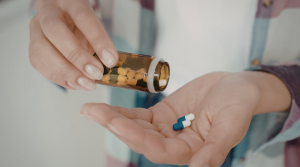
Unused medicines should not be flushed down a toilet or poured into a sink.
Some active pharmaceutical ingredients are not completely removed by wastewater-treatment processes. New Zealand’s Ministry for the Environment reports that many wastewater plants are not designed to remove pharmaceuticals effectively, meaning active ingredients may remain in treated wastewater.
Septic tanks provide less controlled treatment than large municipal facilities, so unwanted medicines should be kept out of onsite systems.
This includes:
-
Tablets and capsules
-
Liquid medicines
-
Antibiotics
-
Hormonal medicines
-
Medicinal creams
-
Veterinary treatments
-
Used or expired auto-injectors
PHARMAC advises that used or expired medicines and medical devices should be returned to pharmacies for appropriate disposal.
Do not stop taking prescribed medication because your property uses a septic tank. This advice applies to disposing of unwanted or expired products, not to medicines being used as prescribed.
10. Stormwater and Sudden Volumes of Water
Water itself is not harmful to a septic tank, but too much water entering the system too quickly can cause serious problems.
A sudden surge may move wastewater through the tank before solids have had enough time to settle. It can also place additional pressure on the disposal field, particularly during periods of heavy rain or when the surrounding soil is already saturated.
Common causes of hydraulic overloading include:
-
Completing several laundry loads consecutively
-
Leaking toilets or taps
-
Long periods of unusually high water use
-
Roof downpipes connected to the wastewater system
-
Stormwater entering damaged lids or openings
-
Emptying large tanks or pools into household drains
Kaipara District Council advises septic-system owners to prevent rainwater from entering their systems and avoid overloading them with excessive water.
Spread laundry loads across the week, repair leaks promptly and make sure roof water and surface drainage are directed away from the septic tank and disposal field.
Are “Biodegradable” Products Automatically Septic-Safe?
Not necessarily.
“Biodegradable” describes a material’s ability to break down under certain conditions. It does not automatically confirm that a product is appropriate for every septic system or harmless at every concentration.
When choosing cleaning products, check:
-
Whether the label specifically states that the product is septic-safe
-
The recommended dilution rate
-
Whether it contains strong disinfectants or antibacterial ingredients
-
Whether it is intended for daily cleaning or occasional treatment
-
The product’s safety data sheet
-
Instructions supplied by your septic-system provider
Even a septic-compatible product can create problems when used in excessive quantities.
Septic-Safe Practices for New Zealand Businesses
Commercial facilities can introduce much larger volumes of cleaning chemicals, food waste and wastewater than an average household. A clear workplace procedure is therefore essential.
Businesses using onsite wastewater systems should:
-
Create an approved list of cleaning products.
-
Train cleaners and kitchen staff on correct dilution.
-
Install sanitary and general-waste bins in washrooms.
-
Keep hazardous-waste containers away from sinks.
-
Maintain grease traps and oil-collection systems.
-
Avoid tipping concentrated mop chemicals down drains.
-
Display signs explaining what may be flushed.
-
Store safety data sheets where staff can access them.
-
Keep records of septic servicing and pump-outs.
-
Speak to the system provider before changing chemicals or increasing wastewater volumes.
Hospitality venues, schools, rural workplaces, accommodation providers and aged-care facilities should pay particular attention to chemical dosing and waste separation because their systems may experience periods of heavy use.
Can Enzyme Cleaners Support Septic-System Health?
Enzyme-based cleaners can be a practical option for breaking down organic material without relying on highly caustic chemistry.
When correctly formulated and used as directed, they may help manage residues such as fats, proteins and starches in drains. Products specifically designed for septic use can work alongside the biological processes already occurring in the tank.
However, enzyme cleaners do not remove inorganic rubbish, repair damaged pipes or eliminate the need for professional pump-outs.
For a closer look at their role, read Why Enzyme Cleaners Are Essential for Healthy Septic Systems and From Floors to Septic Tanks: How Enzyme Cleaners Keep Working After Use.
What Should You Do If Something Harmful Goes Down the Drain?
A small, one-off mistake may not immediately cause a septic failure, but large quantities of hazardous or concentrated substances require professional advice.
If an accidental discharge occurs:
-
Stop using or disposing of the product.
-
Do not add more water in an attempt to flush it through.
-
Keep the product label or safety data sheet.
-
Record approximately what entered the system and how much.
-
Contact your septic service provider.
-
Ask your council or the EPA about hazardous-waste advice where appropriate.
Do not enter, open or lean into a septic tank. Septic tanks can contain dangerous gases and should only be inspected or serviced by trained professionals.
Frequently Asked Questions
What is the only thing that should be flushed into a septic system?
As a simple rule, only flush human waste and toilet paper. Everything else should be placed in an appropriate waste or recycling stream.
Can I use bleach if I have a septic tank?
Bleach may be used sparingly and according to the product instructions when necessary. Do not pour concentrated bleach or unwanted product directly into the system, and avoid unnecessary overuse.
Are flushable wipes safe for septic tanks?
Most wipes do not break apart as quickly as toilet paper and may contribute to blockages. The safest approach is to put all wipes in a rubbish bin.
Can I pour boiling water down the drain to remove grease?
Boiling water may move grease further along the pipe, but it does not remove it from the wastewater system. Allow grease to cool and dispose of it in a sealed container instead.
Do enzyme treatments replace septic-tank pumping?
No. Enzyme treatments may support routine maintenance, but they cannot remove accumulated sludge or inorganic materials. Septic tanks still require inspection and pump-outs according to the system provider’s recommendations.
What toilet paper is best for septic tanks?
Choose toilet paper that disperses quickly in water and is clearly suitable for septic systems. Read Is Your Business Toilet Paper Septic-Safe? What You Need to Know for more guidance.
Protect Your Septic System at the Source
Healthy septic-system care begins long before a problem becomes visible.
Keeping wipes, grease, food, medicines and strong chemicals out of your drains reduces unnecessary pressure on the tank and disposal field. It can also help prevent avoidable odours, blockages and emergency servicing.
For workplaces, the products you choose are only part of the solution. Correct dosing, staff training and responsible waste disposal matter just as much.
Insinc supplies enzyme-based cleaning products and lower-impact commercial cleaning solutions for New Zealand workplaces. Explore our range or contact the Insinc team for help choosing products suited to your facility and wastewater system.
https://www.insinc.co.nz/category/septc-tank-safe-cleaning-products
Posted: Friday 31 July 2026