Insinc Insights
-
 Healthy soil supports plants, water retention, nutrient cycling and living ecosystems. Discover how food waste, composting and better organic-waste separation can help return valuable organic matter to New Zealand soils.Posted: Friday 14 August 2026
 -
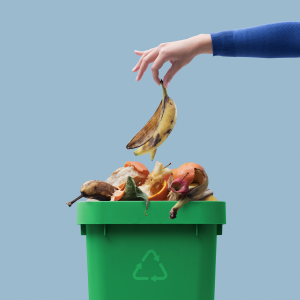 What happens to food waste after collection? Learn the difference between composting and anaerobic digestion, how food scraps can become compost, biogas and digestate, and why correct organic-waste separation matters for New Zealand homes and businesses.Posted: Friday 14 August 2026
 -
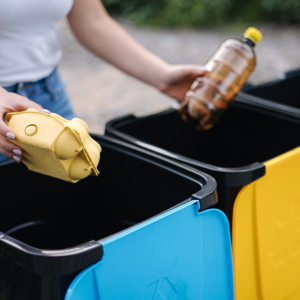 Commercial waste management can easily become one of those everyday business processes that receives little attention — until overflowing bins, torn rubbish bags, contamination, unnecessary collections or rising supply costs start creating problems.Posted: Friday 7 August 2026
 -
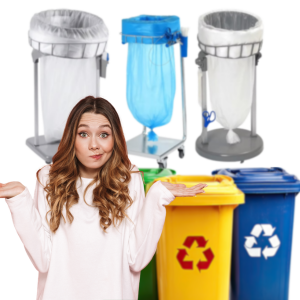 What's the difference between a waste bin and a waste stand? This New Zealand guide compares design, hygiene, capacity, mobility, cleaning and waste handling to help businesses choose the right commercial waste system.Posted: Friday 7 August 2026
 -
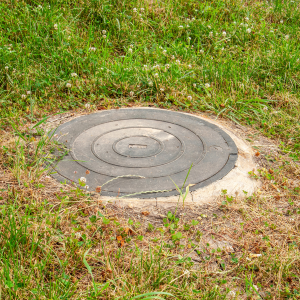 Heavy rain can saturate the ground around a septic system, preventing wastewater from draining properly and increasing the risk of slow drains, sewage smells and backups. This guide explains the warning signs New Zealand property owners should watch for, what to do during wet weather and how choosing septic-safe cleaning chemicals can reduce additional stress on the system.Posted: Friday 31 July 2026
 -
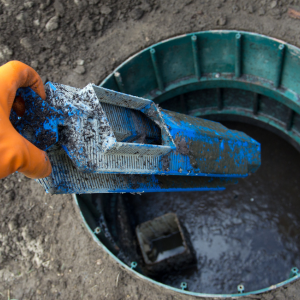 our septic system is designed to process wastewater—not rubbish, grease or leftover chemicals. This guide explains what New Zealand homes and businesses should keep out of their toilets and drains, why these materials cause problems, and how to dispose of them more responsibly.Posted: Friday 31 July 2026
 -
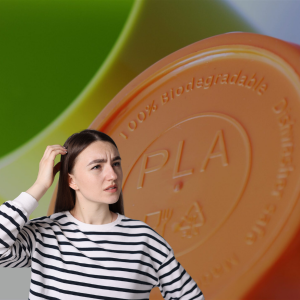 PLA bioplastic is commonly promoted as plant-based, biodegradable, and compostable, but these descriptions can create confusion about what happens after disposal. This article explains why PLA requires specific composting conditions, why it should not go into ordinary recycling or garden compost, and how New Zealand businesses and consumers should dispose of it responsibly.Posted: Friday 24 July 2026
 -
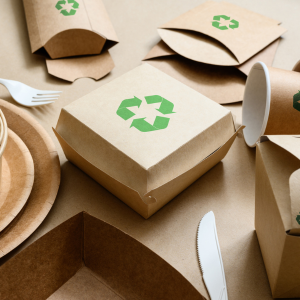 Bioplastics are often promoted as environmentally friendly alternatives to conventional plastic, but the term covers several materials with very different properties and disposal requirements. This guide explains what bioplastics are, how materials such as PLA are made and used, their potential benefits and limitations, and how New Zealand businesses and consumers should dispose of them.Posted: Friday 24 July 2026
 -
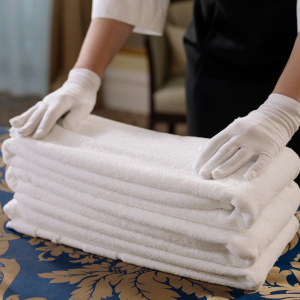 Hotel towels are washed more frequently and exposed to more stains, chemicals, and wear than ordinary household towels. This guide explains how hotels, motels, lodges, and accommodation providers can keep towels soft, white, absorbent, hygienic, and presentable while reducing premature replacement costs.Posted: Friday 17 July 2026
 -
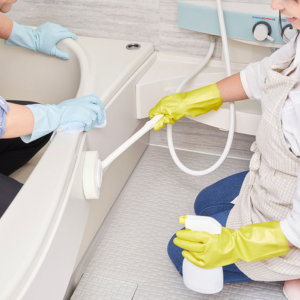 Hotel bathrooms are highly vulnerable to mould, mildew, and unpleasant odours because of frequent moisture, limited ventilation, soap residue, damp towels, and heavy guest use. This guide explains how hotels, motels, lodges, and accommodation providers can prevent these problems through effective ventilation, thorough cleaning, drain maintenance, moisture control, and consistent housekeeping inspections.Posted: Friday 17 July 2026
 -
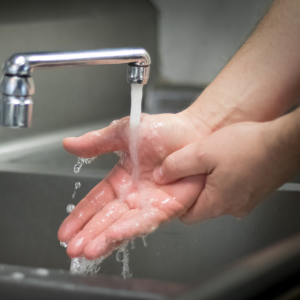 Many people assume wearing disposable gloves eliminates the need for handwashing, but this is one of the most common misconceptions in food safety. Gloves can help reduce the spread of contaminants when used correctly, but they do not replace proper hand hygiene. This guide explains why handwashing remains essential, when gloves should be changed, and how combining both practices helps commercial kitchens maintain high food safety standards.Posted: Friday 10 July 2026
 -
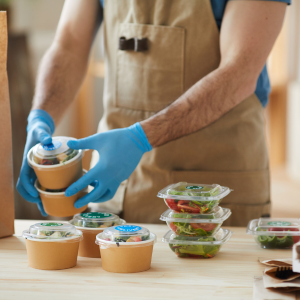 Do food handlers always need to wear gloves? The answer isn't as simple as yes or no. This guide explores when disposable gloves are beneficial, when they're optional, and how businesses can choose the best approach for maintaining food safety. Learn how gloves fit into a broader food hygiene programme and how to decide what's right for your commercial kitchen or foodservice operation.Posted: Friday 10 July 2026
 -
 Regular fleet vehicle cleaning is about much more than appearance. A consistent cleaning programme helps businesses reduce maintenance costs, protect vehicle paintwork, improve resale value, strengthen brand image, and support safer vehicle inspections. This guide explains the financial and operational benefits of maintaining clean commercial vehicles and provides practical advice for developing an effective fleet cleaning strategy.Posted: Friday 3 July 2026
 -
 Choosing the cheapest car wash chemicals may appear to reduce operating costs, but it can often have the opposite effect. Lower-quality products may require higher usage rates, increase labour time, contribute to equipment wear, and deliver inconsistent cleaning results. This guide explores the hidden costs of inexpensive vehicle cleaning chemicals and explains why investing in quality products often provides better long-term value for commercial businesses.Posted: Friday 3 July 2026
 -
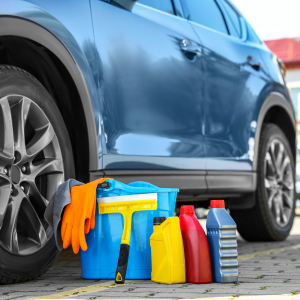 Choosing the right commercial car wash chemicals is essential for achieving professional cleaning results while protecting vehicle finishes and controlling operating costs. This guide explains the different types of automotive cleaning chemicals, how they work, what they are designed to clean, and how to select the best products for your business. Whether you operate a transport fleet, professional car wash, construction company, or vehicle detailing business, understanding commercial cleaning chemicals will help improve efficiency and extend the life of your vehicles.Posted: Friday 26 June 2026