
Insinc Insights
-
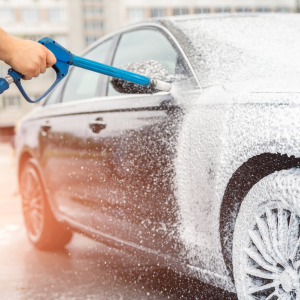 A clean commercial vehicle is more than just good presentation—it protects your investment, reinforces your brand image, and extends the life of your fleet. This comprehensive guide explains the correct order to wash commercial vehicles, from pre-rinsing and wheel cleaning to drying and final inspections. Whether you manage trucks, vans, utes, buses, or service vehicles, following a structured washing process can improve cleaning efficiency, minimise paint damage, and deliver consistently professional results.Posted: Friday 26 June 2026
 -
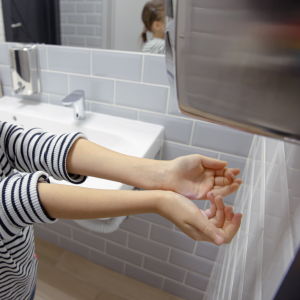 Choosing between paper towels and hand dryers can affect hygiene, cost, maintenance, sustainability, and customer experience in your business washrooms. This guide compares both options for New Zealand businesses, helping offices, schools, gyms, hospitality venues, healthcare facilities, and commercial sites decide which hand drying solution best suits their needs.Posted: Friday 19 June 2026
 -
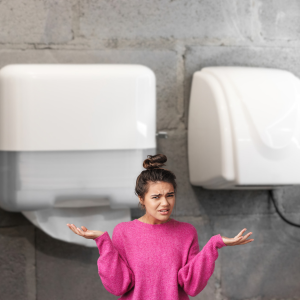 Reducing operating costs is a priority for every business—but switching from paper towels to hand dryers (or vice versa) isn't always as straightforward as it seems. This guide looks beyond the purchase price to compare installation costs, maintenance, consumables, labour, energy use, repairs, and total cost of ownership. Learn which solution offers the best value for your workplace and how to reduce washroom expenses without compromising the user experience.Posted: Friday 19 June 2026
 -
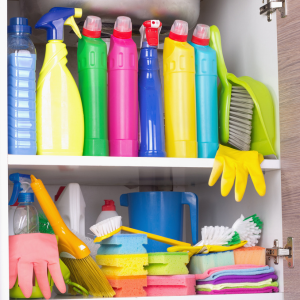 Safe chemical storage is essential for New Zealand businesses that use cleaning products, disinfectants, sanitisers, degreasers, and other workplace chemicals. Storing chemicals correctly helps protect staff, maintain product effectiveness, reduce spill risks, and support workplace health and safety responsibilities. This guide explains practical chemical storage best practices, including how to organise products, read Safety Data Sheets, label containers, separate incompatible chemicals, train staff, and maintain a safer storage area.Posted: Friday 12 June 2026
 -
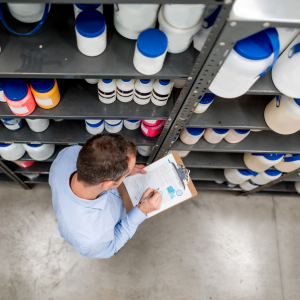 Proper chemical storage is essential for maintaining a safe, compliant, and efficient workplace. Unfortunately, many businesses unknowingly make mistakes that can reduce product effectiveness, damage equipment, create health hazards, or lead to costly accidents. In this guide, we explore the 10 most common chemical storage mistakes, explain why they matter, and provide practical tips to help New Zealand businesses store cleaning chemicals safely and responsibly.Posted: Friday 12 June 2026
 -
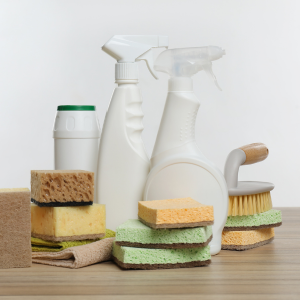 Not all biological cleaning products work the same way. While enzyme cleaners and probiotic cleaners are often grouped together, they solve cleaning challenges in different ways. This guide explains how each cleaner works, their key differences, where they're most effective, and how to choose the right solution for commercial facilities. Whether you're tackling stubborn odours, organic stains, or ongoing maintenance, understanding the science behind these cleaners can help you achieve better cleaning results.Posted: Friday 5 June 2026
 -
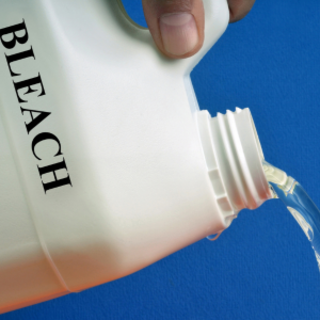 Bad smells are one of the biggest cleaning challenges in commercial environments. Whether it's a gym changing room, a commercial kitchen, a healthcare facility, a school bathroom, or a waste management area, unpleasant odours can create a poor first impression and negatively affect the experience of customers, staff, and visitors.Posted: Friday 5 June 2026
 -
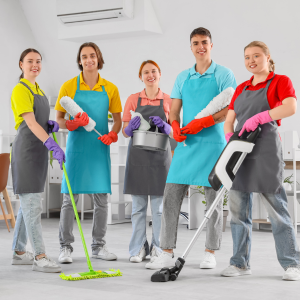 A spotless gym doesn't happen by accident—it happens through consistency.
Whether you manage a large commercial gym, boutique fitness studio, leisure centre, school gymnasium, or corporate fitness facility, having a structured gym cleaning schedule is one of the most effective ways to protect your members, extend the life of your equipment, and maintain your reputation.Posted: Friday 29 May 2026 -
 Keeping a gym clean is one thing. Keeping it smelling fresh is another challenge entirely.
Many gym owners and fitness centre managers across New Zealand regularly clean their facilities yet still struggle with lingering odours that return shortly after cleaning. Even gyms that appear visually clean can develop unpleasant smells caused by sweat, bacteria, moisture, poor ventilation, dirty equipment, and hidden hygiene issues.Posted: Friday 22 May 2026 -
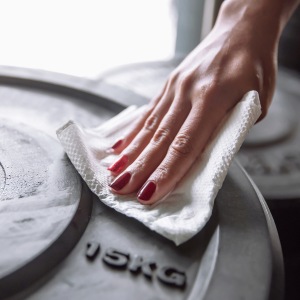 Cleanliness and hygiene have become some of the most important factors influencing gym member satisfaction, retention, and business reputation. In today’s fitness industry, members expect gym equipment, washrooms, change rooms, and shared surfaces to be cleaned regularly and maintained to high hygiene standards.Posted: Friday 22 May 2026
 -
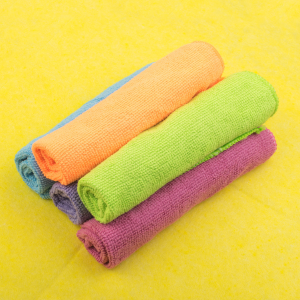 Microfibre cloths have become one of the most popular and effective cleaning tools used in homes, offices, healthcare facilities, hospitality venues, and commercial workplaces throughout New Zealand. Their ability to trap dust, bacteria, grease, and dirt without requiring excessive chemicals makes them an essential part of modern cleaning routines.Posted: Friday 15 May 2026
 -
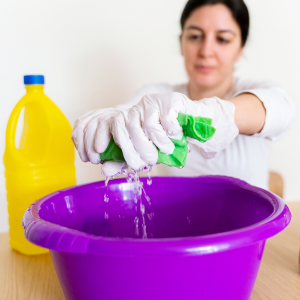 Microfibre cloths are widely used across New Zealand homes, offices, healthcare facilities, hospitality venues, and commercial workplaces because of their exceptional cleaning performance. Their ultra-fine fibres are designed to trap dirt, bacteria, dust, grease, and moisture far more effectively than traditional cleaning cloths.Posted: Friday 15 May 2026
 -
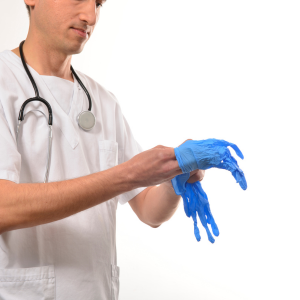 Disposable gloves are used every day in food service, cleaning, healthcare, aged care, manufacturing, hospitality, laboratories, and general workplace hygiene. They are meant to make work safer, cleaner, and more efficient. But for many workers, one simple frustration keeps coming up: disposable gloves can be surprisingly difficult to put on, especially when hands are sweaty, damp, warm, or when gloves are tight-fitting.Posted: Friday 8 May 2026
 -
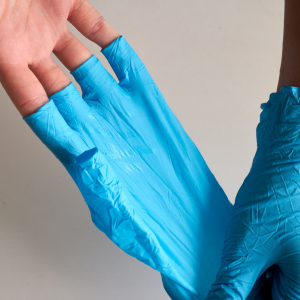 In busy workplaces, disposable gloves are used constantly. From food preparation and cleaning to healthcare, manufacturing, and general workplace hygiene, gloves play a critical role in protecting both people and products.Posted: Friday 8 May 2026
 -
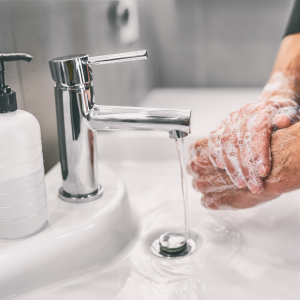 Many New Zealand businesses invest heavily in creating professional offices, welcoming reception areas, and strong customer experiences. However, one area is often overlooked despite having a major impact on how people perceive a business — the workplace washroom.Posted: Friday 1 May 2026