
Insinc Insights
-
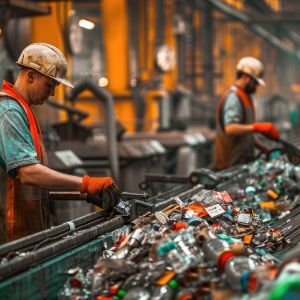 Ever wondered where your office recycling ends up in New Zealand? Learn how commercial recycling is processed and how your business can reduce waste contamination.Posted: Thursday 30 October 2025
 -
 Is your workplace toilet paper causing complaints, blockages, or waste? Discover the top 5 signs your office is using the wrong toilet paper — and what to do about it.Posted: Wednesday 29 October 2025
 -
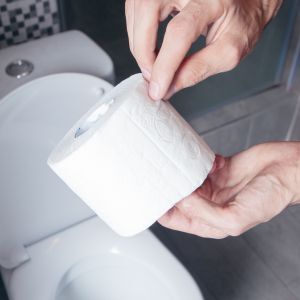 Reduce toilet paper waste in your office with smart product choices, dispenser systems, and staff awareness. Discover practical strategies for NZ businesses.Posted: Wednesday 29 October 2025
 -
 Discover how to choose the right toilet paper for your workplace – comparing bamboo, recycled and premium options. Make the smart decision for comfort, cost and sustainability in New Zealand commercial bathrooms.Posted: Wednesday 29 October 2025
 -
 Discover why your choice of office toilet paper matters more than you think. Learn how it affects staff satisfaction, workplace hygiene, and your brand image across New Zealand businesses.Posted: Wednesday 29 October 2025
 -
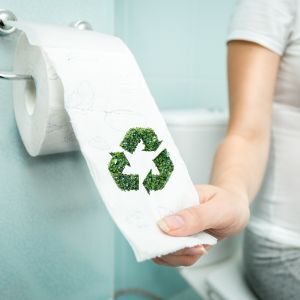 Learn how to choose sustainable toilet paper for your workplace that’s still soft and strong. Discover eco-friendly options that don’t compromise comfort for New Zealand businesses.Posted: Wednesday 29 October 2025
 -
 offering quiet, chemical-free dust control and allergen reduction. But not all electrostatic mops are created equal. One of the most overlooked decisions when buying one is choosing the right mop size for your specific space.Posted: Tuesday 21 October 2025
 -
 In the ever-evolving world of commercial cleaning, one tool is gaining traction across New Zealand workplaces: the electrostatic mop. Known for its powerful dust-attracting ability without the need for harsh chemicals, electrostatic mops are now a go-to solution for schools, offices, healthcare facilities, warehouses, and other hygiene-conscious environments.Posted: Tuesday 21 October 2025
 -
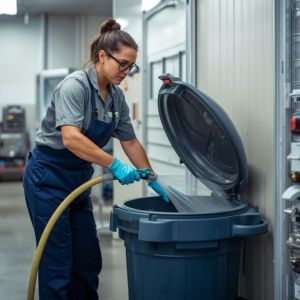 In any commercial kitchen or food-handling business, maintaining hygiene is more than a best practice—it’s a legal and operational necessity. One key piece of the hygiene puzzle is the proper care of your food grade storage bins. Even the highest quality, certified food-grade bins can become a source of contamination if not cleaned and maintained correctly. This guide explains how to keep your bins safe, hygienic, and fully compliant with New Zealand’s food safety standards.Posted: Monday 20 October 2025
 -
 When it comes to food storage in high-risk environments like schools, aged care facilities, and hospitals, safety and hygiene are non-negotiable. These sectors serve vulnerable populations, and the standards for food handling must reflect that. Choosing the right food grade storage bins can significantly improve hygiene, reduce waste, and support compliance with New Zealand’s strict food safety regulations.Posted: Monday 20 October 2025
 -
 Choosing the right mop for your commercial business isn’t just about cleaning the floor—it’s about boosting hygiene, efficiency, and cost-effectiveness. Two of the most common options for commercial environments are electrostatic mops and traditional mops, but which one truly stands out for New Zealand workplaces?Posted: Monday 20 October 2025
 -
 In the bustling hospitality world, cafés and catering businesses face constant pressure to maintain top-tier hygiene, stay compliant with food safety regulations, and operate with speed and efficiency. One often-overlooked yet critical tool that supports all these goals is the food grade bin with a secure lid.Posted: Monday 20 October 2025
 -
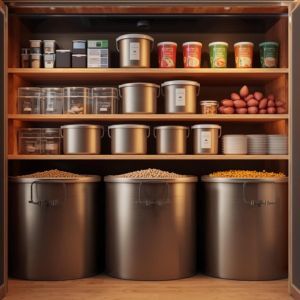 Discover how food-grade storage bins transform commercial kitchens in New Zealand — boosting hygiene, efficiency and compliance. Learn what to look for and why they’re essential.Posted: Monday 20 October 2025
 -
 In today’s business climate, sustainability is more than just a buzzword — it’s a brand value. Consumers, clients, and partners expect companies to make environmentally responsible choices. For hygiene-intensive industries, switching to biodegradable nitrile gloves is a subtle yet powerful move that reinforces a brand’s commitment to sustainability.Posted: Monday 13 October 2025
 -
 When working in industries like food handling, commercial cleaning, or healthcare, dexterity and flexibility are just as important as protection. The wrong glove can cause hand fatigue, reduce grip, and slow your team down. In this blog, we compare latex, nitrile, and vinyl gloves to determine which type offers the best dexterity for different work environments across New Zealand.Posted: Monday 13 October 2025